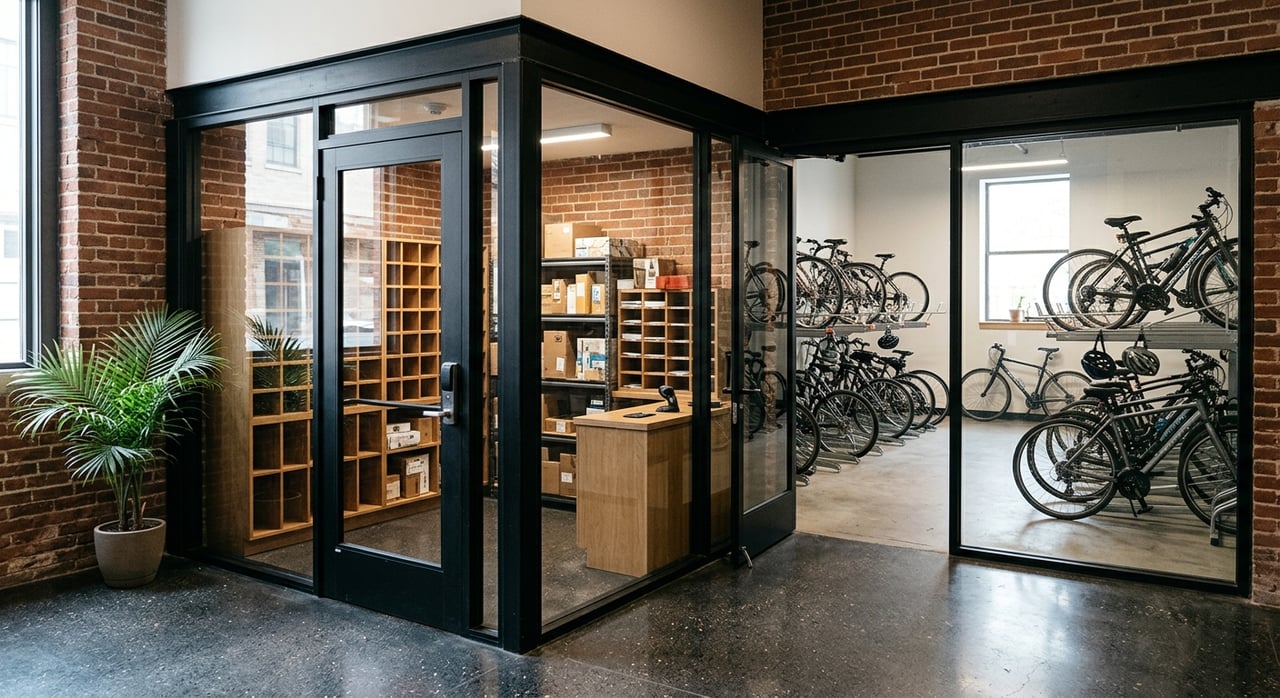
If you are shopping for a Boston condo, it is easy to get distracted by the flashiest features in a building. The reality is that the amenities you will value most are usually the ones that make everyday life easier, protect your time, and keep monthly costs in check. When you know which amenities buyers actually use, you can focus on practical value instead of marketing gloss. Let’s dive in.
Why practical amenities matter most
In Boston, the most useful condo amenities are often the least glamorous. Buyers tend to get the most day-to-day value from features like parking, secure building access, package handling, elevator access, bike storage, a simple fitness room, and outdoor space that is easy to use regularly.
That lines up with guidance from the National Association of Realtors, which notes that buyers often value secure access and shared amenities such as fitness centers and party rooms. It also matches local Boston condo examples that include bike storage and mail or package rooms, plus building features highlighted by Fannie Mae’s condo guidance, such as front-desk service, large mailrooms, fitness centers, and rooftop outdoor space.
The common thread is simple: amenities that reduce friction tend to get used. Features that only look impressive in listing photos may be less meaningful if they do not fit your weekly routine.
Boston amenities buyers use most
Parking
Parking is one of the most practical amenities in Boston because it is limited and shaped by city policy. According to the City of Boston’s parking-freeze guidance, some areas face strict parking rules, and the city notes that building parking can cost up to $50,000 per space.
That matters when you compare buildings. In some locations, especially transit-rich areas, you may decide you do not need parking. In others, a deeded or included space can make a major difference in convenience, resale appeal, and your total cost of ownership.
Secure access and front-desk service
Secure building access is one of the amenities many buyers appreciate right away. Controlled entry, front-desk support, and concierge-style services can help with everyday convenience while also making building operations feel more organized.
You may not need a full-service luxury setup to see value here. Even a well-run entry system and dependable staff support can improve your daily experience in a meaningful way.
Package and mail handling
Package rooms and large mailrooms may not sound exciting, but they are highly relevant for daily life. If you work long hours, travel often, or order essentials online, secure package handling can save time and frustration.
Boston’s own condo examples include mail and package rooms, which reflects how useful this feature has become in modern buildings. It is a good reminder that practical convenience often beats novelty.
Elevator access
Elevator access matters more than many buyers expect. It can affect everyday comfort, move-in logistics, grocery runs, deliveries, and long-term livability.
In a multi-story building, this is not just about convenience. It is about how functional your home feels over time, especially if you plan to stay for several years.
Bike storage
Bike storage is especially relevant in Boston, where many buyers value walkability, transit, and flexible transportation options. Local condo examples from the city include bike storage, and that makes sense in a market where not every buyer wants or needs a car.
If you live in a transit-connected area, secure bike storage can be more useful than a flashy amenity you rarely touch. It supports the way many residents actually move through the city.
Simple fitness rooms
A modest, usable gym often delivers more value than an oversized fitness concept with features few residents use. NAR’s discussion of generational amenity preferences points to fitness centers and outdoor gathering spaces as amenities buyers continue to want.
The key is accessibility. A clean gym with basic equipment inside your building is often more likely to become part of your routine than a more specialized space that feels harder to use.
Outdoor and common space
Shared outdoor space can be a real asset when it is comfortable and easy to enjoy. A usable roof deck, terrace, courtyard, or lounge can support everyday living far better than a feature designed mainly for show.
This matters in Boston, where private outdoor space is not always easy to find in denser neighborhoods. If the space is functional and maintained well, it can add value to your lifestyle without needing to be extravagant.
How amenities affect monthly fees
Amenities are never free. In Boston, that matters because condo ownership already comes with a meaningful monthly fee layer.
Redfin reported that the Boston metro had a median monthly condo or HOA fee of $414 in the three months ending July 31, 2024, alongside a median condo sale price of $629,500 in the same report, according to its 2024 HOA fee analysis. That is a helpful baseline when you are evaluating affordability, because even a modest difference in monthly fees can affect your comfort level and buying power.
According to Fannie Mae and NAR, condo fees often cover:
- Exterior and common-area maintenance
- Water and sewer
- Trash service
- Insurance
- Reserve funding
- Staffing
- Shared amenity upkeep
That is why the better question is not just, How many amenities does this building have? It is, Are these amenities worth the monthly cost, and is the fee supporting the building responsibly?
Why reserve funds matter for resale
A long amenity list means less if the building is not financially healthy. Both NAR and Fannie Mae note that special assessments can happen when reserve funds are not enough to cover major repairs or large one-time projects.
NAR also warns that repeated special assessments can point to management or building-condition issues. For you as a buyer, that means a well-run association with practical amenities and healthy reserves may be more attractive than a building with more features but weaker financial planning.
This is also where resale comes into play. Useful amenities can support value, but very high fees may narrow the buyer pool, especially for budget-conscious shoppers.
Boston trade-offs by location
Downtown and transit-rich areas
In Boston, location changes how buyers think about amenities. NAR’s walkability survey found that 79% of respondents rated walkability as important, 78% said they would pay more for a walkable community, and 36% said public transit nearby was very important.
That helps explain why some downtown buyers are willing to trade parking for other practical features. In a highly walkable, transit-connected location, bike storage, package handling, secure access, and elevator service may matter more than having a garage space.
Seaport and coastal considerations
In areas like Seaport and parts of South Boston, practical value should also include climate and insurance considerations. The City of Boston states that it is among the most vulnerable cities in the country to flooding, and its climate guidance notes that much of the Seaport is expected to face flooding exposure during average monthly high tide later this century, according to the city’s climate planning materials.
Boston also explains in its flood insurance guidance that separate flood coverage is needed for natural-hazard flooding, and federally backed mortgages require flood insurance in high-risk A and V flood zones. If you are considering a coastal building, amenities like roof decks, garages, and storage areas should be evaluated alongside resilience, insurance obligations, and long-term carrying costs.
Questions to ask before you buy
A condo amenity package should always be reviewed with the monthly fee, rules, and building finances in mind. Before you make an offer, ask questions like these:
- What exactly is included in the monthly fee?
- How much of the fee goes toward reserves, insurance, utilities, staffing, and amenity upkeep?
- Has the association had special assessments, and how often have fees increased?
- Is parking deeded, rented, waitlisted, or excluded from the unit price?
- Is EV charging available or planned?
- What do the condo documents say about pets, parking, renovations, rentals, and amenity access?
- In coastal buildings, what does the master insurance policy cover, and is flood insurance required?
These questions help you move past the brochure version of a building. They also help you understand whether the amenities support your lifestyle and your long-term financial goals.
Focus on value you will actually use
For most Boston condo buyers, the best amenities are the ones that support your weekly routine and reduce hassle. In many cases, that means parking, secure access, package handling, bike storage, a usable gym, elevator access, and outdoor space that feels livable.
A thoughtful condo purchase is not about choosing the building with the longest amenity list. It is about choosing the one where the costs, convenience, and building health make sense for how you actually live. If you want help reviewing condo buildings, HOA fees, documents, and trade-offs across Boston neighborhoods, Capital Realty Group offers the kind of buyer-focused, detail-driven guidance that can help you make a more confident decision.
FAQs
What condo amenities do Boston buyers use most often?
- Boston condo buyers often get the most value from parking, secure access, package handling, elevator access, bike storage, simple fitness rooms, and usable outdoor or common space.
How do Boston condo amenities affect HOA fees?
- Amenities can increase monthly condo fees because fees often cover maintenance, insurance, reserves, staffing, utilities, and shared amenity upkeep.
Is parking worth it in a Boston condo building?
- Parking can be very valuable in Boston because supply is limited, city rules affect development, and structured parking can be expensive to build.
What should Boston condo buyers ask about HOA reserves?
- You should ask how much money is in reserves, whether there have been special assessments, and whether the association has a history of fee increases.
Why does walkability change which condo amenities matter in Boston?
- In walkable, transit-rich areas, some buyers may place less value on parking and more value on features like bike storage, package rooms, and secure building access.
What should buyers ask about Seaport condo amenities and flood risk?
- Buyers should ask what insurance covers, whether flood insurance is required, and how amenities like garages, storage, and roof decks may be affected by climate exposure.