Picture starting your day with a calm ride beside water, grabbing a coffee in town, then biking straight to the Red Line. If you value walkability, fresh air, and easy transit, life along Arlington’s Minuteman Bikeway can fit your routine. In this guide, you’ll see what daily living looks like near the trail, how commuting works, what types of homes you’ll find, and the buyer tradeoffs to consider. Let’s dive in.
Minuteman Bikeway at a glance
The Minuteman Commuter Bikeway runs about 10 miles from Alewife Station in Cambridge to Depot Park in Bedford, passing directly through Arlington and Lexington. It follows a former rail corridor, is paved for comfortable riding, and is designed for year-round use. Communities along the route maintain their sections, and many plow the path in winter so residents can keep biking and walking when it is cold.
This is not just a neighborhood path. The Minuteman is nationally recognized and widely used for both recreation and commuting. Wayfinding and mile markers help you track distance, and Arlington’s planning documents highlight seasonal facilities, including toilets near popular parks like Thorndike Field during warmer months. Entrances are frequent, and the grade is gentle, which makes it practical for everything from school-day rides to evening strolls.
Everyday life along the trail
Parks and water access
You can reach two standout water features right from the Minuteman. Spy Pond Park offers a playground, picnic spots, and small-boat access for kayaks and canoes. It is a favorite sunset stop and a natural place to pause on a family ride.
West of Arlington Center, the Arlington Reservoir features a loop that feels different from the main rail-trail, giving runners and walkers a short nature break close to home. Together, Spy Pond and the Reservoir are the most consistent green-space draws for trail-adjacent neighborhoods.
Looking for a longer, history-forward ride? From Arlington, you can connect by bike to Minute Man National Historical Park and follow the Battle Road Trail for a scenic, educational outing. The National Park Service provides bike guidance for reaching the park from the Minuteman.
Coffee, cafes, and errands
Arlington Center, East Arlington, and Arlington Heights all sit on or near the Bikeway and have clusters of food and retail along Massachusetts Avenue and nearby streets. Many residents treat the path as a linear main street. You ride into town, park your bike, and step into a café, bakery, or lunch spot within minutes. Specific shop names change over time, so check the town’s current visitor listings when you plan a weekend loop.
Bike services and Bluebikes
Bike shops and repair services are located close to the Bikeway, so flat tires or tune-ups are easy to handle. Arlington has also been expanding Bluebikes docks directly on or near the Minuteman, including locations such as Linwood Street, Thorndike Field, the Railroad Lot, and newer off-street docks by Mill Street and Lake Street. The town has pursued grants to support more year-round docks, which improves last-mile trips and quick errands if you prefer to ride without owning a commuter bike.
Art, placemaking, and small improvements
Recent town efforts have added public art, murals, and banner projects along the corridor. Arlington has also secured MassTrails funding to support small capital projects that make the Bikeway feel more welcoming and intuitive to use. These initiatives, paired with design work from local committees, give the area a sense of identity that grows each year.
Commuting and connectivity
Red Line via Alewife
Alewife Station anchors the southeast end of the Minuteman. A common pattern is simple: bike to Alewife, park or roll your bike, and take the Red Line into Cambridge or Boston. The Alewife area also connects you to other greenways like Fresh Pond paths and the Alewife Brook Reservation. If your office offers secure bike storage, you can ride the entire way on calmer routes.
MBTA buses and last-mile options
If you live farther from Alewife, local MBTA bus routes through Arlington link neighborhood streets with key hubs. Riders often pair a short Bikeway segment with a bus to keep the commute flexible. Bluebikes fills the last-mile gap, with docks placed to make quick transfers easy. Always check current schedules and any service notices right before your trip.
Typical commute scenarios
- Bike to Alewife and take the Red Line into Cambridge or downtown Boston.
- Bluebikes to a dock near your workplace or the nearest T station.
- Mix a short bus hop with a Bikeway segment to avoid traffic bottlenecks.
Housing near the Bikeway
What you will see
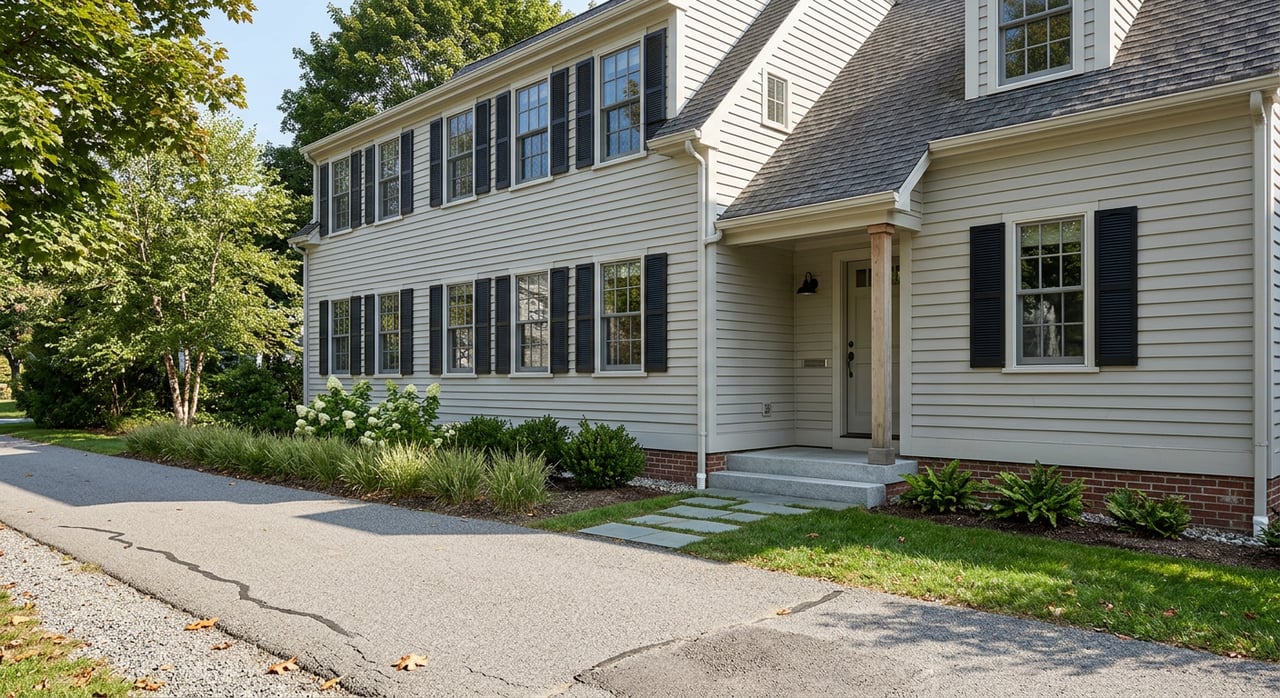
Close to Arlington Center and the Heights, you will find older single-family homes, including Victorians and Colonials with period details and smaller yards. Near East Arlington and the Alewife edge, the housing stock includes more multi-family buildings, condominiums, and rental apartments that appeal to buyers who want quick transit access. Throughout the corridor, there are scattered renovations and condo conversions, especially near town centers.
Market snapshot
Arlington is one of Greater Boston’s higher-priced suburbs. Late-2025 and early-2026 snapshots from major aggregators reported typical sale prices roughly in the 1.03 million to 1.10 million range across the town. Different services calculate medians and averages differently, so treat these as directional numbers, and expect variation by neighborhood, lot size, and level of renovation.
Common buyer tradeoffs
- Walkability vs. private space. Homes near the Bikeway and town centers often trade larger yards and multiple parking spaces for location benefits and charm.
- Price vs. convenience. Trail-side convenience can mean paying a premium. The tradeoff is often interior square footage or the responsibility of maintaining an older home.
- Parking and deliveries. On-street parking can be limited in walkable cores. The town’s parking policies evolve over time, so verify current rules before you buy.
Do trails raise values?
Many buyers see high-quality trails as amenities, yet the effect on property values depends on context and market cycles. A focused study of Minuteman-adjacent sales in Lexington after the path opened found rising prices near the trail over a short window, but the author cautioned against broad conclusions without longer-term data. National and local research shows mixed but often-positive effects that vary by neighborhood, timing, and buyer preferences. The bottom line: shop the micro-location carefully and weigh demand factors beyond the trail itself.
Safety, maintenance, and practical tips
Safety and perception
Well-used rail-trails like the Minuteman have not been shown to systematically increase crime, and regular activity often supports a positive environment. Perceptions vary by block and time of day, so visit at different hours and talk through observations with your agent.
Maintenance and seasonal notes
Communities along the route maintain their segments, and many sections are plowed in winter, which keeps the Bikeway useful through most of the year. Wayfinding signs and mile markers make it simple to gauge distance, and seasonal toilets appear at select parks such as Thorndike Field. Before heading out, check for any posted construction, detours, or event notices.
Quick buyer checklist near the Bikeway
- Walk the block at different times to assess trail activity, privacy, and noise.
- Confirm parking options, local rules, and delivery access for your exact address.
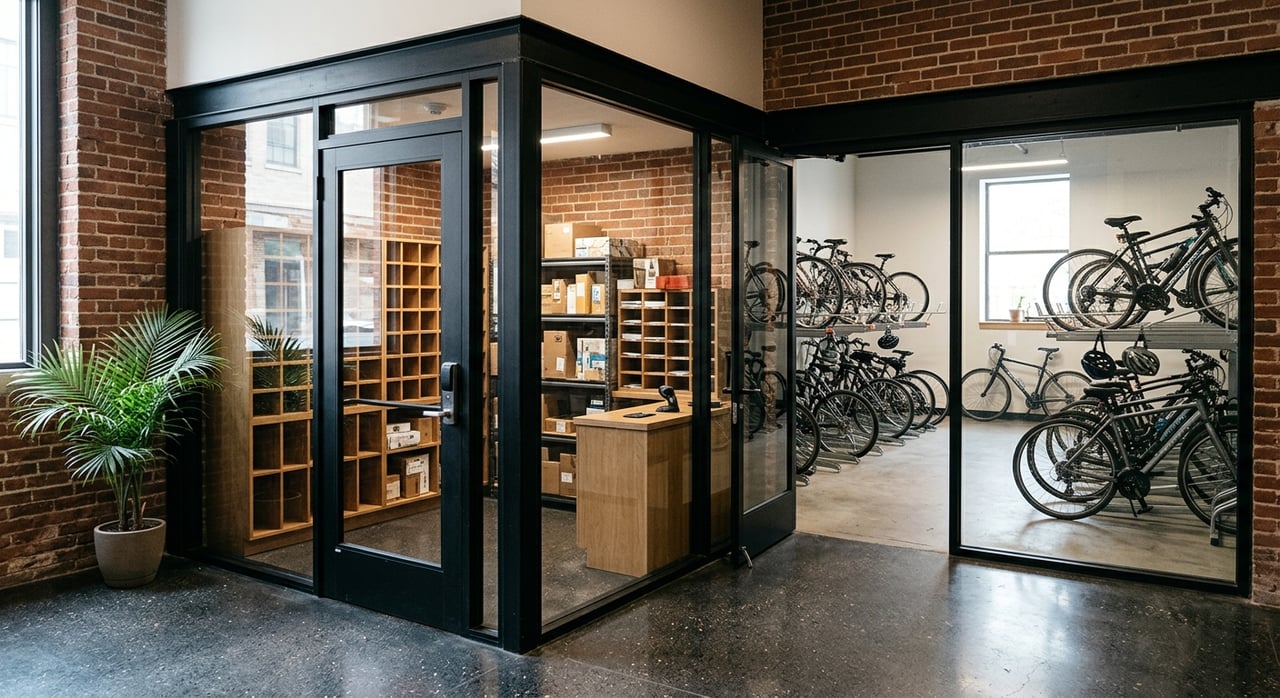
- If a condo, review building policies about bike storage and hallway use.
- Verify current Bluebikes dock locations and availability near your home.
- Ask about upcoming Arlington Bikeway improvements, crossing upgrades, and wayfinding changes from recent planning work so you know what may change on your street.
A sample day on the Minuteman
Start with a short spin from East Arlington to grab coffee, then roll a few minutes to Spy Pond for a lakeside break. Loop back through Arlington Center for errands, or continue west toward the Reservoir for a different trail feel. On workdays, the routine shifts to a practical ride to Alewife and a Red Line hop into Cambridge or Boston. Weekends stretch longer, with a scenic pedal toward Lexington and onward to the historic landscapes at Minute Man National Historical Park.
What’s next for the corridor
Arlington is actively investing in the Minuteman. The Arlington Bicycle Advisory Committee and the Town’s Minuteman Bikeway Planning Project emphasize safer crossings, clearer wayfinding, and creative placemaking. Recent MassTrails grants have supported small, high-impact improvements, and the town continues to add Bluebikes docks to strengthen year-round mobility. For buyers, that means incremental enhancements to everyday life along the trail over the coming years.
Work with an advocate who knows the trail
Buying near the Minuteman involves micro-location choices and real tradeoffs. You want an advisor who can help you balance price, convenience, and long-term value, then negotiate with your interests first. As an attorney-founded, fiduciary buyer team, we pair neighborhood-level data with legal-grade due diligence to protect your outcome and reduce stress from offer to closing.
Ready to explore homes near the Minuteman with a clear plan? Schedule a free consultation with Capital Realty Group.
FAQs
How long is the Minuteman Bikeway and where does it go?
- It runs about 10 miles from Alewife Station in Cambridge through Arlington and Lexington to Depot Park in Bedford.
What parks can I reach from the Minuteman in Arlington?
- Spy Pond Park and the Arlington Reservoir are direct draws, and you can bike onward to Minute Man National Historical Park for a longer ride.
How do people commute from Arlington using the trail?
- Most bike to Alewife and take the Red Line, or combine a short Bikeway ride with local MBTA buses and Bluebikes for last-mile trips.
What types of homes sit near the Bikeway?
- You will see older single-family homes near the Heights and Center, plus multi-family buildings and condos closer to East Arlington and the Alewife edge.
What do homes near the Bikeway typically cost?
- Late-2025 and early-2026 snapshots showed typical townwide prices around 1.03 to 1.10 million, with variation by neighborhood and property condition.
Do trails increase property values?
- Research shows mixed but often-positive effects that depend on neighborhood and timing. Many buyers treat high-quality trails as amenities, but premiums are not universal.
Is the Bikeway usable in winter?
- Yes. Many sections are plowed, and the path is intended for year-round use, though you should check for detours or weather-related notices.