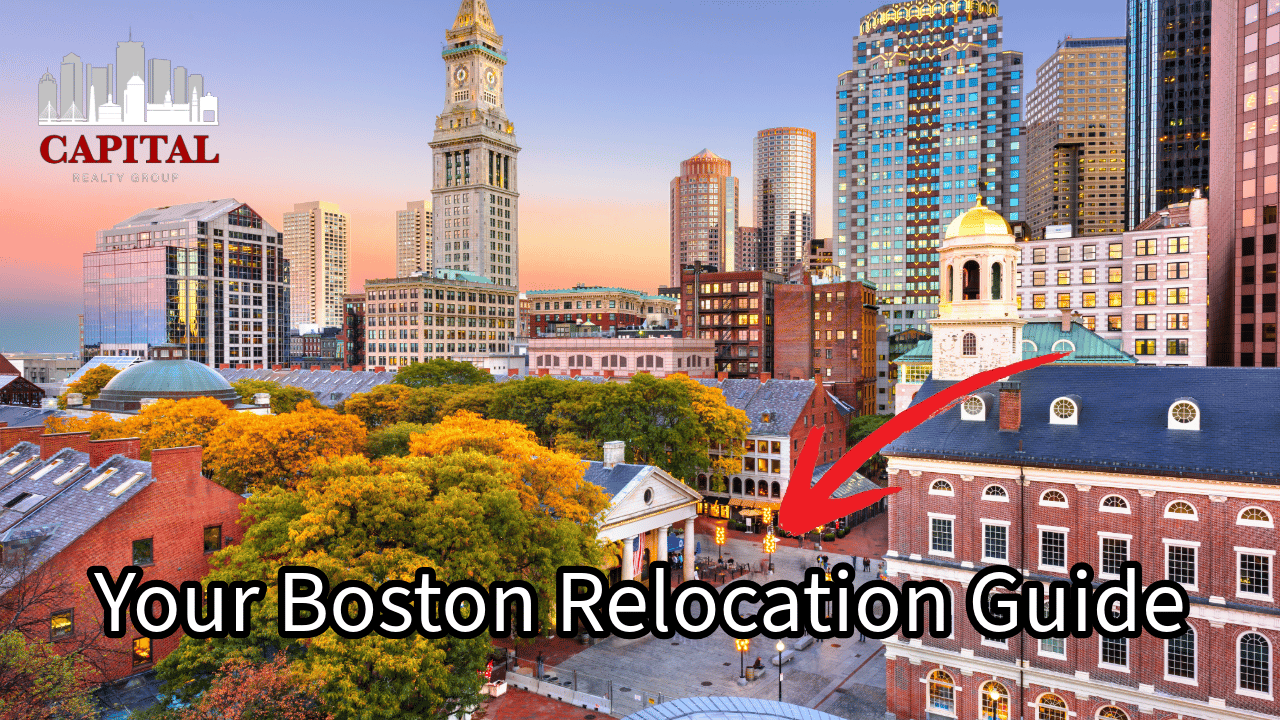
Moving to is an exciting adventure—whether you're coming for work, school, or a fresh start in one of America’s most historic and innovative cities. This Boston relocation guide covers everything you need to know before making the move, from housing costs to transit tips and the best neighborhoods for your lifestyle.
Why Move to Boston?
Boston blends New England charm with big-city convenience. With world-class universities, top hospitals, vibrant neighborhoods, and an unmatched sports culture, it’s a destination that attracts students, families, young professionals, and retirees alike.
Understanding the Boston Housing Market
Boston’s Competitive but Rewarding Real Estate Landscape
Boston’s housing market moves quickly, and desirable homes don’t stay available for long. Inventory can be tight, especially in central neighborhoods like Back Bay or Beacon Hill. Working with a local expert—like Capital Realty Group—helps ensure you always stay ahead of new opportunities.
Average Home Prices and Rent
Home prices vary across the city:
-
Downtown & Back Bay: Higher-end with luxury condos
-
East Boston, Dorchester, and Roslindale: More affordable options
-
Jamaica Plain, Brighton, and Cambridge: Popular with students and young professionals
Renters should expect:
-
Studios and 1-bedrooms: slightly higher than national averages
-
Larger apartments: vary based on proximity to transit and schools
Best Boston Neighborhoods for New Residents
Back Bay: Upscale and Walkable
Perfect for professionals who want beautiful architecture, shopping, and dining steps from home.
Jamaica Plain: Community-Oriented and Green
Known for its parks, local shops, and friendly atmosphere—ideal for families and creatives.
East Boston: Affordable with Easy Access
One of the fastest-growing neighborhoods with great skyline views and Blue Line convenience.
Cambridge & Somerville: Academic and Youthful
Great for students, tech workers, and anyone looking for a unique cultural mix.
Getting Around: Understanding Boston Transportation
The MBTA (“The T”)
Boston’s public transit system includes subway lines, buses, ferries, and commuter rail. Living near a T stop can significantly boost convenience and even home value.
Walking & Biking
Boston is one of the most walkable cities in the U.S. and features:
-
Miles of bike lanes
-
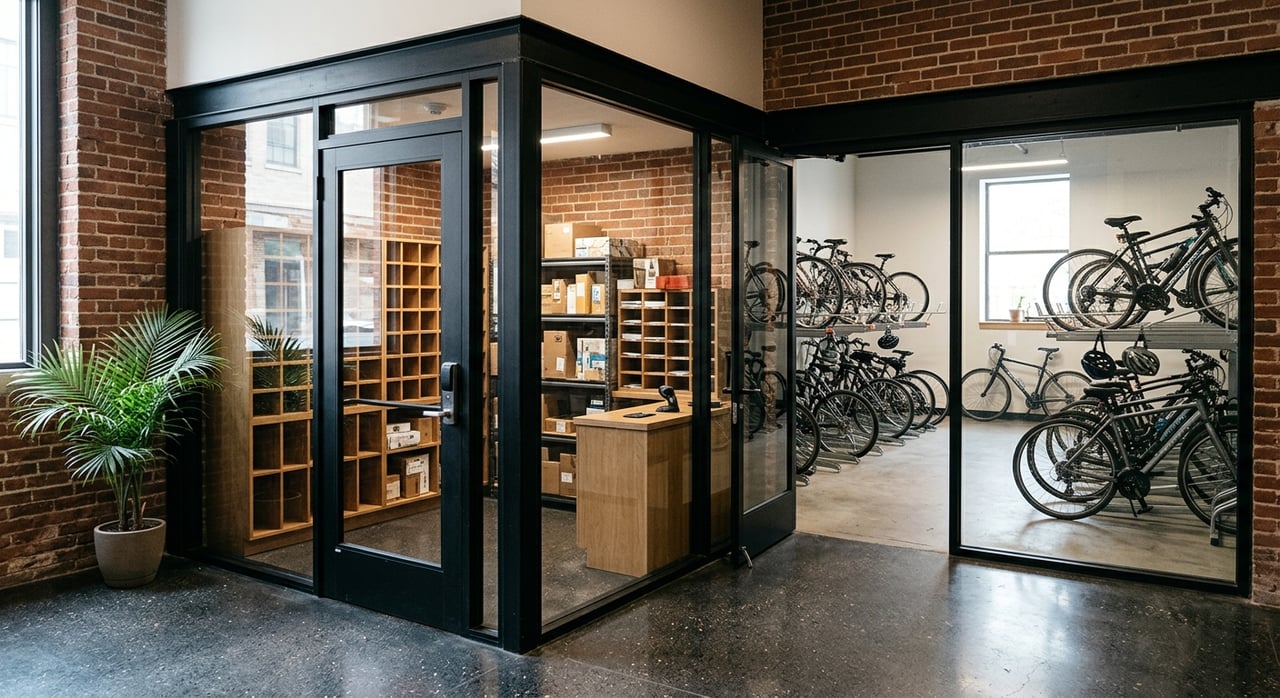
Bluebikes city bike-share program
-
Pedestrian-friendly routes
Driving & Parking
Parking can be challenging, especially in older neighborhoods. Many residents rely on monthly garages, street permits, or transit.
Cost of Living in Boston
Housing & Utilities
Housing is the biggest expense, but heating, cooling, and internet are typically in line with national averages.
Food & Dining
Boston has an incredible food scene—from seafood and Italian to international cuisine—though dining out can be pricier in downtown areas.
Transportation Costs
Using the MBTA is affordable, especially with monthly passes for commuters.
Employment Opportunities in Boston
Boston is a major hub for:
-
Healthcare
-
Finance
-
Technology
-
Education
-
Biotech
The city’s strong job market is a major reason newcomers relocate here every year.
Education & Schools
Boston and its surrounding suburbs are home to some of the highest-ranking public schools in the country. Families often choose suburban areas like Newton, Arlington, or Brookline for their education systems.
Tips for Moving to Boston Successfully
1. Start Your Home Search Early
Spring and summer bring the most inventory, but also the most competition.
2. Prioritize Proximity to Transit
Living near the T can save time, money, and stress.
3. Work with a Local Real Estate Team
Capital Realty Group helps newcomers navigate neighborhoods, budget, and opportunities with confidence.
Ready to Make Boston Your New Home?
Whether you're buying, renting, or exploring neighborhoods, Capital Realty Group in Boston is here to guide you every step of the way. From your first search to move-in day, we make relocating to Boston simple, stress-free, and rewarding.